Air Scrubbers vs Air Purifiers: What's the Difference?
Searching for a solution to an air quality or odour problem often turns up two overlapping terms, air scrubbers and air purifiers, used almost interchangeably despite describing somewhat different things. Understanding the distinction makes it easier to choose the right type of product, rather than the one with the most convincing name.
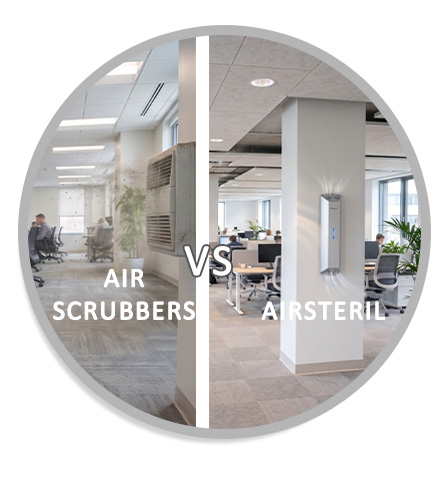
In simple terms, an air scrubber usually refers to heavier-duty equipment used to clean contaminated air during a specific job, while an air purifier is more commonly designed to improve indoor air quality on an ongoing basis.
What an air scrubber typically means
Air scrubbers are generally associated with heavier-duty work such as construction, water damage restoration and mould remediation, or spaces with a specific contamination event to deal with. Many are portable, high-airflow machines that pass air through several filter stages, typically a pre-filter and a HEPA filter and sometimes carbon. Some can also be configured to create negative air pressure, drawing air into the work area and helping stop contaminants escaping into adjacent spaces. They are primarily used for a defined clean-up period rather than all year round.
What an air purifier typically means
The term air purifier covers a much broader range, from small domestic style units to commercial systems designed for continuous use in offices, washrooms, care settings and similar environments. Rather than a one-off clean-up, purifiers are generally intended to run continuously or regularly as part of normal building operation.
They also differ widely in how they work. The aim is always to reduce or remove unwanted substances from the air, but some use filters such as HEPA, while others rely on UV, ozone, PCO or ionisation, and some combine several.
Where the lines blur
In practice, manufacturers don't always use these terms consistently, and some use their own terminology alongside a wide range of performance claims. A product's name doesn't always reflect what it does or how it is best used. In some cases, the mechanism it uses (filtration, UV, ozone, PCO or a combination) can give more specific guidance, but without reliable independent test data and full manufacturer support it is easy to end up with a product that is simply not fit for purpose. Some approaches are ideal for removing high levels of dust and debris but impractical for odour control, while others are designed for rapid reduction in microorganisms but can only be used in unoccupied areas. Always seek guidance before committing to a purchase, and our checklist of ten things to check before buying is a good place to start.
Choosing the right approach
A few questions narrow the choice quickly. Is the main concern odour, particulates or airborne microorganisms? Will the space be occupied while the equipment runs? What are the ongoing maintenance and running costs? And is the performance backed by independent, real-world evidence? For a side-by-side look at the main technologies, see comparing air purification technologies: what to use and when.
Where AIRsteril fits
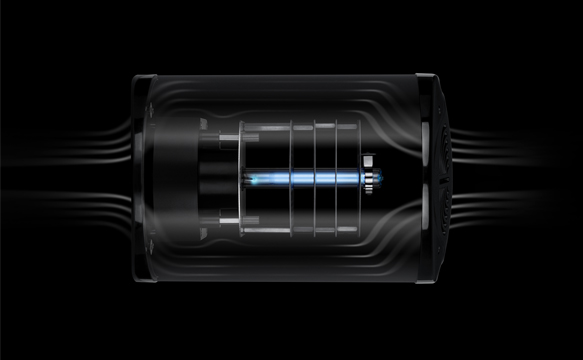
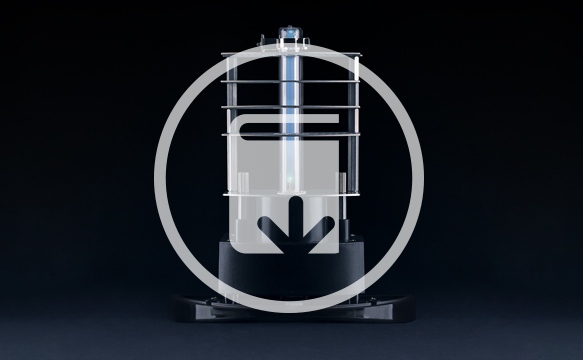
AIRsteril falls into the air purifier category, but works without filters. AIRsteril units combine germicidal UV with other technologies to provide continuous air disinfection, destroying microorganisms while breaking down odour-causing compounds and VOCs, so odour and airborne microorganisms are dealt with together. Unlike filter-based machines, which can only capture contaminants from the air that passes through the filter, AIRsteril's impact on odours is not confined to the air passing through the unit, so its effect extends across the area. The units are designed for continuous, everyday operation, from washrooms and offices to care homes and bin stores, with no filters to replace and minimal maintenance beyond an annual lamp change.
On the question of evidence, AIRsteril has a wide range of test data demonstrating reductions in microorganisms (bacteria, viruses, mould and fungi) as well as odours (including volatile organic compounds). Independent real-world testing in an airport washroom found a reduction of over 77% in airborne microorganisms, and independent laboratory testing in a large room found a 99.99% reduction in airborne viral load within 10 minutes.