Beyond compliance: how air hygiene supports CQC inspection readiness
The Care Quality Commission (CQC) requires all care environments to be visibly clean and free from unpleasant odours. This simple expectation forms part of Regulation 15, which sets out the standards for premises and equipment in health and social care.
The CQC states that, “Premises and equipment should be visibly clean and free from odours that are offensive or unpleasant.”
Full guidance:
CQC Regulation 15: Premises and equipment
For many providers, achieving this standard goes far beyond surface cleaning. Air quality plays a vital role in how care settings feel, function and are perceived during inspection. Persistent odours, humidity or stale air can all suggest deeper hygiene problems, even when cleaning standards are high. They are often the first signs of reduced ventilation or microbial build-up in the air.
For residents and visitors alike, these issues affect comfort, confidence and dignity, three key areas that inspection teams routinely consider. Clean, fresh air contributes directly to a positive environment and helps demonstrate effective infection prevention.
While traditional cleaning routines manage surfaces effectively, they cannot remove the odours or microorganisms that remain suspended in the air. Masking agents and fragrances can make matters worse, combining to create stale, unpleasant smells rather than resolving the issue.
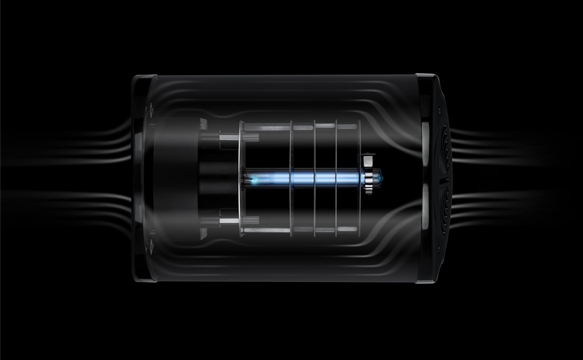
Continuous air purification provides an effective way to address this challenge. AIRsteril technology delivers this protection quietly in the background, reducing airborne contamination whilst tackling the cause of odours. Proven through independent laboratory and field tests, AIRsteril not only removes unpleasant smells but also reduces the background microorganisms and volatile compounds that cause them.
This proven performance is why AIRsteril is trusted by thousands of customers across the UK and worldwide to maintain fresh, hygienic air in care homes, healthcare facilities and other shared environments.
By maintaining consistent air hygiene throughout the day, AIRsteril helps care providers exceed basic cleanliness requirements and demonstrate proactive infection control. It also improves the daily experience for residents, staff and families, ensuring washrooms, bedrooms and shared spaces always feel clean and welcoming.
Clean, odour-free air supports more than compliance. It reflects the quality of care provided and helps maintain confidence at every level, from daily operations to CQC inspections.