How colder conditions increase washroom infection risk and why air hygiene matters
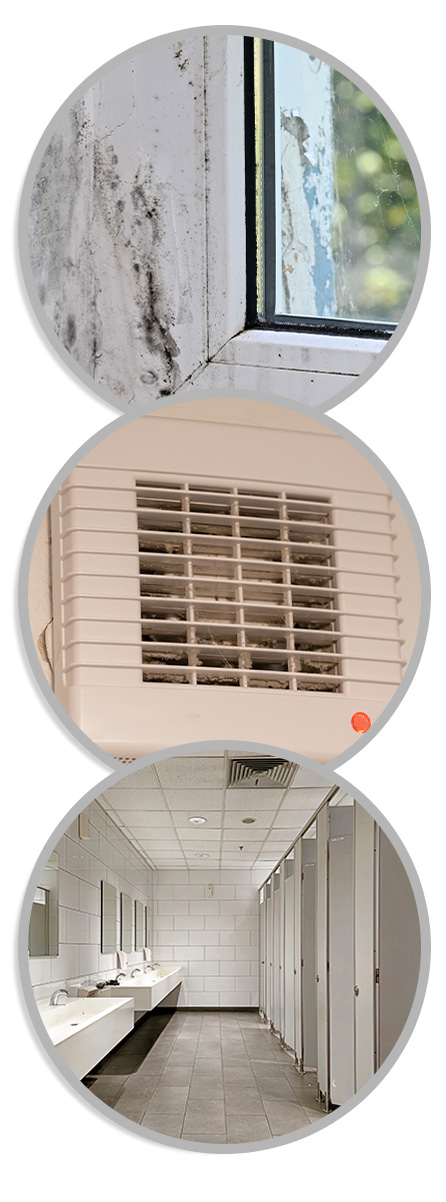
As the weather turns colder, indoor environments shift. Windows stay closed, air movement slows, and humidity from washing, showers or cleaning takes longer to dissipate. These conditions make washrooms higher risk spaces, not just for odours, but for viruses and microbes that cause respiratory and gastrointestinal illnesses.
Washrooms already present unique challenges. They see many users, often lack effective ventilation, and are subject to aerosol generation from flushing toilets and urinals. In colder conditions, pathogens that might otherwise clear more quickly can linger in the air or settle onto surfaces. This increases the risk of recontamination and exposure.
Why infection risks rise in colder conditions
Reduced fresh air exchange
When windows and vents are closed, airflow becomes restricted. Pathogens that would otherwise be diluted or removed remain in circulation for longer. Without enhanced ventilation or air treatment, viruses from breathing, coughing or flush aerosols can build up in the space.
Aerosols from flushing
Toilets and urinals generate microscopic droplets each time they are flushed. These can carry microorganisms across the room. In well ventilated spaces, they dissipate more quickly. In colder weather, reduced airflow keeps them suspended for longer, increasing the chance of exposure.
Surfaces get re-contaminated
Even after cleaning, airborne particles settle quickly. In busy washrooms, surfaces near sinks, cubicles or hand dryers are constantly exposed to falling microbes. Without active air treatment, recontamination is difficult to avoid.
Seasonal viruses and indoor behaviour
Colder weather drives people indoors and increases washroom use. Respiratory viruses and stomach bugs such as norovirus also tend to peak during this time. These factors combine to increase risk.
Real world results: odour elimination and airborne germ control
Independent testing in a high footfall airport washroom showed that AIRsteril not only eliminated persistent odours but also reduced airborne mould and total microorganisms by over 77 percent. This demonstrates the link between odour control and infection prevention. If the air smells fresher, it is likely safer too.
Practical lessons for washroom hygiene
• Good handwashing and cleaning remain essential, but are only part of the solution
• Ventilation helps, but is often not enough during colder months
• Air treatment adds an important layer, tackling airborne pathogens and supporting surface hygiene
• Fewer airborne microbes mean fewer chances for surfaces to become re-contaminated between cleans
Fresh, hygienic air whatever the weather
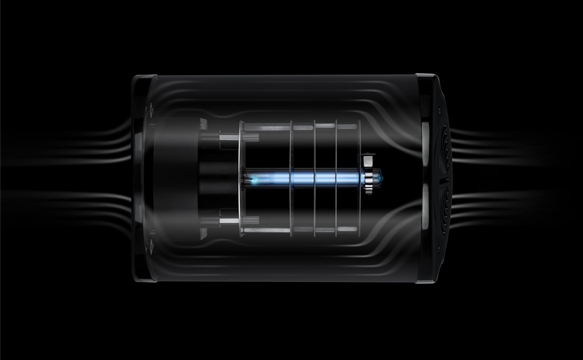
Colder conditions increase hygiene challenges. Extractor fans and open windows are rarely enough on their own. AIRsteril guarantees fresher air, effective odour elimination and reduced pathogen exposure in any season.
Choose AIRsteril to protect your washrooms with cleaner air and improved hygiene all year round.