Preparing buildings for summer: why indoor air quality matters
As buildings become busier during spring and summer, maintaining indoor air quality becomes increasingly important.
Warmer weather often leads to:
• increased building occupancy
• reduced ventilation in air-conditioned environments
• faster microbial growth in warm conditions
These factors can combine to create stale air, unpleasant odours and increased hygiene concerns.
Air quality is more than ventilation
Ventilation plays an important role in managing temperature and carbon dioxide levels. However, it does not remove all airborne contaminants.
Bacteria, mould spores and odour-causing compounds can remain present even in well-ventilated environments.
This is particularly noticeable in high-traffic areas such as washrooms, waiting areas, hospitality venues and waste storage rooms.
Supporting indoor air hygiene
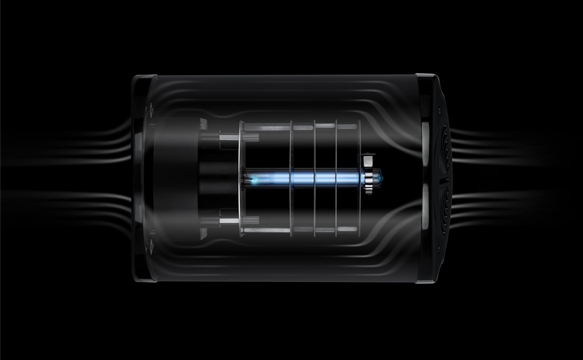
Air treatment technologies designed for continuous operation can help improve air quality by reducing airborne microorganisms and odour-causing compounds within occupied spaces.
Used alongside existing cleaning and ventilation practices, these systems help maintain a fresher and more comfortable environment throughout the day.
Further reading
• Comparing air purification technologies – what to use and when
• HEPA filters and particulate capture – where they fit
• UV-C air disinfection – proven but needs careful design
Learn more about the causes of odours and how to manage them in commercial environments in our guide to commercial odour control.