Seasonal surges and the air hygiene gap
How colder weather affects comfort, odours and overall hygiene in shared environments.
As temperatures fall and ventilation reduces, many care and healthcare environments experience a noticeable rise in odours, airborne contamination and general air quality concerns. Windows remain closed, heating systems operate for longer periods and fresh air movement declines throughout the day. These seasonal changes create what many providers describe as an air hygiene gap, the difference between clean surfaces and the unseen quality of the air itself.
When colder weather changes the indoor environment
Reduced ventilation has a direct effect on how contaminants behave in the air. Drier indoor air allows odours, microorganisms and volatile organic compounds to linger for longer, while moisture trapped in certain areas encourages the growth of mould. These conditions develop gradually, yet they have a clear impact on comfort, confidence and the perception of cleanliness.
Heating systems can also recirculate stale air, spreading odours from rooms and corridors, particularly in high occupancy areas. Without regular air movement, compounds released from waste, soft furnishings, washrooms and daily activity accumulate, creating a heavier indoor atmosphere.
Understanding the seasonal hygiene gap
Even with excellent cleaning routines, odours and airborne contamination return quickly in closed environments. Surfaces may look spotless, but the air continues to carry microorganisms, allergens, odour molecules and VOCs that influence the overall feel of a space. During the colder months, these challenges intensify because there is less natural dilution through outdoor air.
This is why many providers notice increased odour complaints, greater reliance on fragrance products and more frequent deep cleaning during winter. The underlying issue is not surface cleanliness but reduced air hygiene.
How AIRsteril supports consistent air hygiene throughout the year
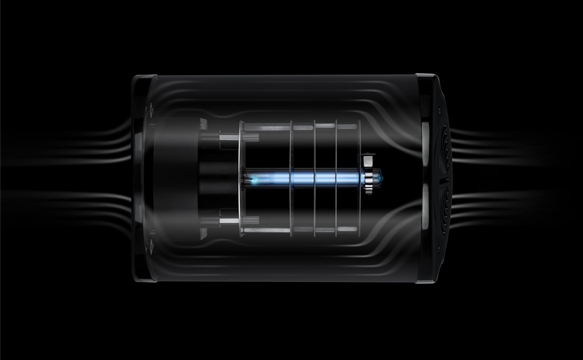
AIRsteril units operate continuously to improve the air in real time. Each unit combines ultraviolet light with a catalytic process that reduces airborne microorganisms and breaks down odorous and harmful compounds already present in the air. Unlike filter-based systems, AIRsteril does not rely on air being drawn through the unit and it releases no sprays, fragrances or residues. This makes it suitable for constant background use in occupied rooms.
By working at source, AIRsteril helps prevent the build-up of odours, mould-related smells and airborne VOCs between routine cleans, supporting a cleaner and more pleasant indoor environment during periods of reduced ventilation.
Independent performance validation
Independent testing has confirmed that AIRsteril technology performs effectively in both laboratory and real-world conditions.
• HygCen Germany verified a 99.99% reduction in airborne microorganisms within ten minutes in controlled large room testing.
• ALS Global recorded more than 77% reduction in microorganisms settling onto surfaces in a high usage washroom.
• The Eco Institut confirmed that AIRsteril technology continuously reduces harmful volatile organic compounds with no harmful by-products produced.
These findings demonstrate how consistent air hygiene can be maintained even when natural ventilation is limited.
Supporting comfort, confidence and continuity
Cleaner, fresher air helps residents, staff and visitors feel more at ease, particularly during the colder months when indoor conditions can feel heavier. Reduced odours, fewer VOCs and better management of mould-related smells contribute directly to a more pleasant and reassuring environment. This also helps support daily operations by lowering reliance on fragrances, reducing cleaning strain and improving overall comfort across shared spaces.
Summary
Seasonal changes highlight a simple truth. Good hygiene depends on both clean surfaces and clean air. By maintaining consistent air hygiene throughout the year, AIRsteril helps close the seasonal hygiene gap, supporting comfort, confidence and day to day continuity in care and healthcare environments.