The growing odour problem in food waste stores
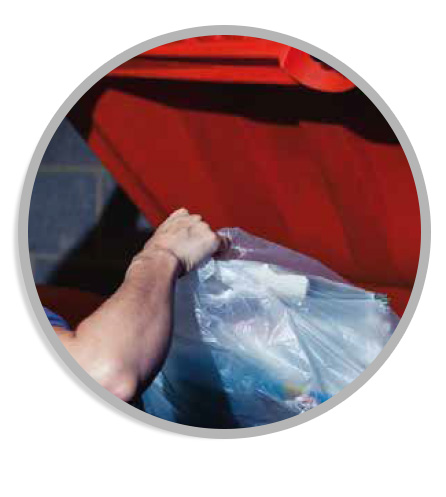
Behind almost every supermarket, restaurant, and commercial kitchen is a space that customers never see:
The food waste store.
These areas are often small, enclosed and heavily used — making them one of the most challenging environments for odour control.
And with increasing food waste collection and recycling requirements, the problem is growing.
This is particularly noticeable in day-to-day operations where waste is stored between collections.
Why food waste smells so quickly
Food waste breaks down rapidly.
Within hours, bacteria begin breaking down organic material and releasing gases such as:
• sulphur compounds
• ammonia
• volatile organic compounds (VOCs)
These gases are what create the strong odours associated with food waste.
In enclosed bin stores or waste rooms, the effect can become overwhelming.
Why ventilation alone doesn’t solve it
Many facilities try to manage waste odours using:
• extractor fans
• open doors
• deodorising sprays
Unfortunately, these approaches rarely deal with the underlying issue.
Ventilation may remove some air, but it does not eliminate the bacteria and compounds that produce the smell.
Sprays simply mask the odour, often mixing with it to create an even worse smell.
Treating the air instead of masking it
An increasing number of facilities are now using continuous air treatment systems in waste storage areas.
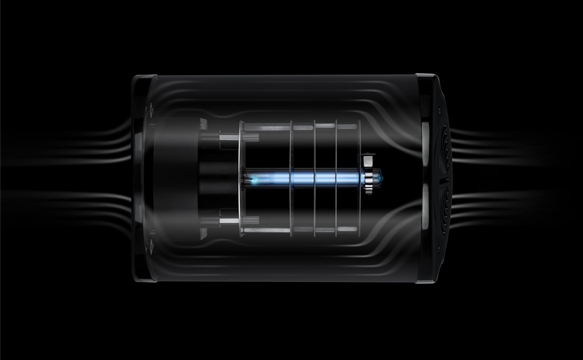
Technologies such as AIRsteril use ultraviolet light and catalytic processes to reduce airborne contamination and odour-causing compounds.
Unlike sprays or periodic treatments, these systems operate continuously and safely in occupied areas.
This means odours are controlled before they spread through the building or outside the premises.
Why this matters for businesses
Poorly managed waste stores can lead to:
• complaints from staff
• unpleasant customer experiences
• pest attraction
• reputational damage
Improving air quality in these areas can dramatically improve the working environment and reduce complaints.
A simple rule
If a waste room smells strongly, the problem is rarely the bin itself.
It’s what’s happening in the air above it.
Further reading
• Why commercial bin stores become a major odour problem in summer
• The hidden hygiene issue in food waste storage rooms
• What’s really in your air freshener? The hidden risks of fragrance-based odour control
Learn more about the causes of odours and how to manage them in commercial environments in our guide to commercial odour control.