The hidden hygiene issue in food waste storage rooms
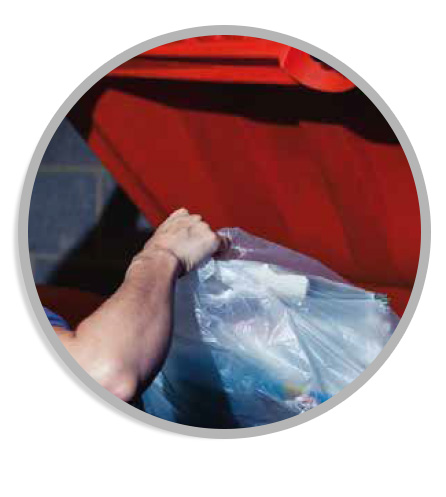
Food waste recycling has become an essential part of sustainability strategies for many organisations. However, the storage of food waste before collection can present significant hygiene and odour challenges.
Unlike general waste, food waste decomposes very quickly. Even when stored for short periods, it can begin producing strong odours caused by bacterial activity and the release of volatile gases.
In enclosed waste storage rooms, these compounds can build up rapidly.
This not only creates unpleasant working conditions but can also lead to complaints from staff, visitors or neighbouring properties.
Even after waste has been removed, residual contamination in the air and environment can continue to affect conditions.
Why odours persist even after waste removal
Many facilities assume that once waste has been collected, the odour problem will disappear.
In reality, airborne bacteria and odour-causing compounds can remain in the environment long after the physical waste has gone.
Surfaces, floors and containers may continue to release odours as bacteria continue to break down residual organic material.
Improving conditions in food waste storage areas
Effective odour management requires addressing both the waste itself and the air within the room.
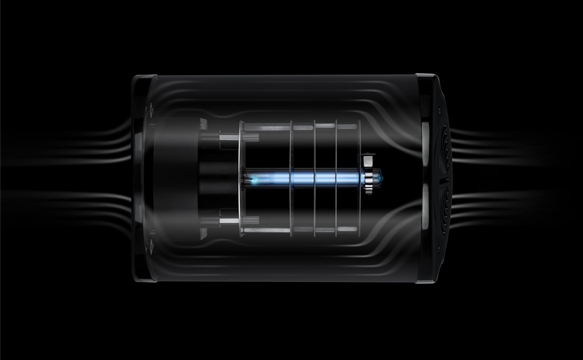
Continuous air treatment systems can help reduce airborne microorganisms and odour-causing compounds throughout the space, improving air quality and reducing persistent smells.
This approach improves working conditions, reduces complaints and supports consistent hygiene standards.
Further reading
• The growing odour problem in food waste stores
• Why commercial bin stores become a major odour problem in summer
• Top 10 things to check before buying an air purification system
Learn more about the causes of odours and how to manage them in commercial environments in our guide to commercial odour control.