Waste sites and transfer stations: the hidden airborne problem most operators overlook
Anyone who works at a waste transfer station or recycling site knows that odour complaints are almost inevitable.
But what many facilities underestimate is where the smell actually comes from.
It isn’t just the waste itself.
As organic waste breaks down, bacteria and volatile compounds are released into the air, creating the persistent odours that travel beyond the site boundary.
This is why odour issues can continue even when:
• waste is removed quickly
• floors are regularly cleaned
• ventilation systems are running
The problem is airborne.
Why traditional solutions often fail
Most sites rely on a combination of:
• ventilation or extraction
• chemical sprays
• masking fragrances
• occasional fogging
These approaches may help temporarily, but they rarely solve the issue.
Ventilation moves contaminated air rather than treating it.
Sprays and fragrances mask odours rather than removing their source.
And fogging systems can only be used when areas are unoccupied.
Meanwhile, airborne microorganisms and odour-causing compounds continue circulating around the facility.
A different approach: treating the air itself
Continuous air treatment systems are now being used at waste facilities to reduce airborne contamination and odours directly.
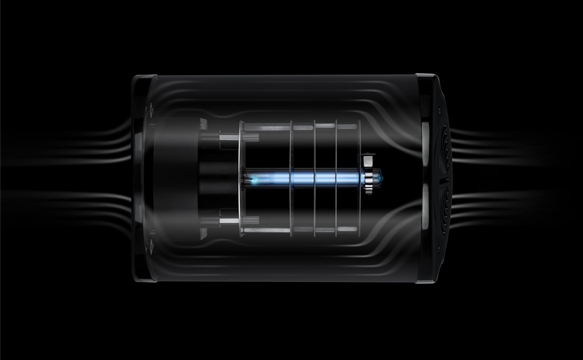
Systems such as AIRsteril work by treating the air within the space using ultraviolet and catalytic processes that address airborne contamination directly, breaking down odour-causing compounds and reducing airborne microorganisms.
Because the system operates continuously, it helps maintain cleaner air between cleaning cycles and during normal site activity.
Why this matters for waste operators
Odour management is no longer just an operational concern.
It directly affects:
neighbour complaints
• environmental compliance
• worker comfort and safety
• site reputation
Facilities that treat airborne contamination at source often see a significant reduction in odour complaints and improved working conditions.
The takeaway
Waste sites will always generate odours.
But persistent complaints usually point to airborne contamination that cleaning alone cannot address.
Treat the air, and the problem becomes far easier to control.
Further reading
• Comparing air purification technologies – what to use and when
(explains why different systems behave differently)
• Fogging and hydrogen peroxide vapour – powerful but not for daily use
(relevant because waste operators often consider fogging)
• Reassessing air quality solutions: why ventilation isn't always enough
(supports the argument about airborne contamination)
Learn more about the causes of odours and how to manage them in commercial environments in our guide to commercial odour control.