Why commercial bin stores become a major odour problem in summer
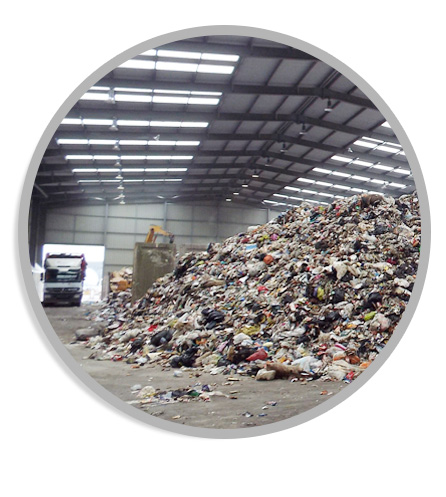
Commercial bin stores are often overlooked when planning building hygiene and maintenance. However, as temperatures increase during spring and summer, these spaces can quickly become one of the most problematic sources of odour.
Food waste, packaging residues and organic material begin to decompose rapidly in warm conditions. As bacteria break down this waste, they release gases that create the familiar smell associated with refuse areas.
Because bin stores are often enclosed or poorly ventilated, these odours can quickly build up and spread into surrounding areas.
This can lead to complaints from staff, visitors, neighbouring businesses or nearby residents.
The challenge of managing waste odours
Traditional odour control approaches often include:
• regular bin washing
• chemical sprays
• deodorising blocks
• increased ventilation
While these measures may provide temporary improvement, they rarely address the underlying source of the smell.
Odours are not simply caused by the waste itself. They are created by airborne bacteria and volatile compounds released as organic material decomposes.
These contaminants can remain in the air even after waste has been removed.
Improving air quality in waste storage areas
Continuous air treatment systems are increasingly being used to manage waste area odours more effectively.
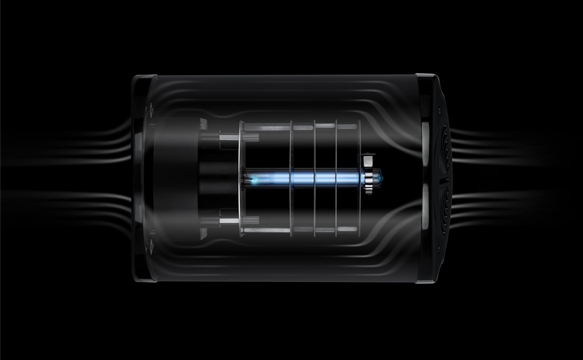
By reducing airborne microorganisms and breaking down odour-causing compounds, these systems help maintain a fresher environment and prevent odours spreading to adjacent areas.
For facilities that manage food waste, hospitality waste or high-volume refuse storage, addressing the air itself can significantly reduce odour complaints and improve working conditions.
Further reading
• Waste sites and transfer stations: the hidden airborne problem
• The hidden hygiene issue in food waste storage rooms
• Comparing air purification technologies – what to use and when
Learn more about the causes of odours and how to manage them in commercial environments in our guide to commercial odour control.