Why Do Care Homes Smell?
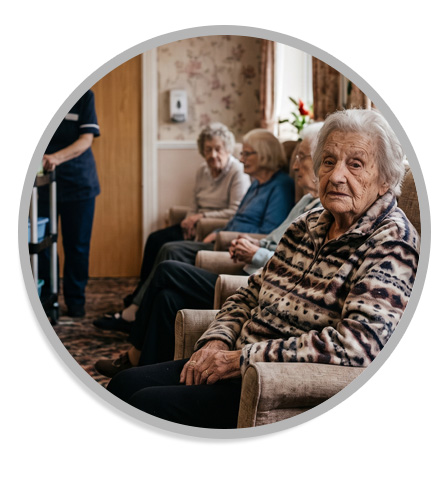
It's one of the first things families notice when they walk through the door, and one of the hardest things for care homes to shift. Persistent odours affect how a home is perceived, regardless of how clean it actually is, and they're often more difficult to solve than they first appear.
Where the smell actually comes from
Care home odours usually come from a combination of sources rather than a single cause. Incontinence and commode use in bedrooms and bathrooms is one of the most common, along with food and catering smells drifting from kitchens and dining areas into communal spaces. Mobility limitations mean many residents spend long periods in the same rooms, so airborne bacteria and odour-causing compounds build up faster than in spaces with more turnover and ventilation.
Warm weather makes this worse. Heat accelerates the rate at which bacteria multiply and odour compounds build up in the air, which is why homes often notice odours returning in summer even where cleaning schedules haven't changed. In secure or dementia care areas, doors and windows frequently need to stay closed for safety, limiting airflow through corridors and shared spaces far more than in a typical building, which makes it even harder for food smells and general stale air to clear naturally.
Why routine cleaning isn't enough
Cleaning deals with surfaces, but odours are carried in the air itself. Airborne bacteria create offensive odours, and once that airborne contamination is present, it settles back onto surfaces after every clean, which is why the smell can return within hours, even after thorough steam cleaning, in a well-maintained home.
Continuous air hygiene, not a temporary fix
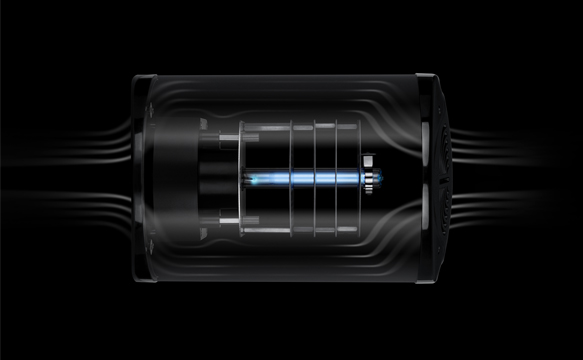
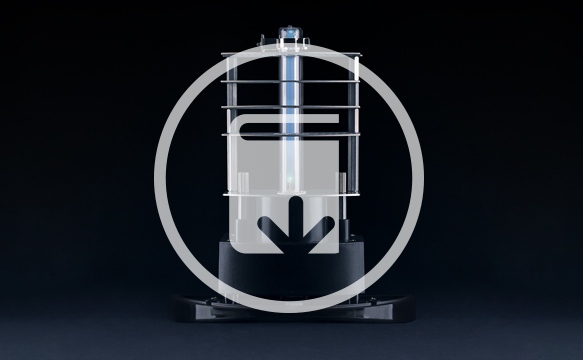
AIRsteril units combine germicidal UV with other technologies to provide continuous air disinfection, destroying microorganisms while breaking down odour-causing compounds and VOCs*. Rather than masking odours after they've developed, AIRsteril continuously reduces airborne bacteria and viruses and helps prevent contamination settling from the air, working around the clock between cleaning cycles rather than only at the point of cleaning. In large room testing independently verified by the Fraunhofer Institute, AIRsteril demonstrated a 99.99% reduction in airborne viral load within 10 minutes.
The result is a home that stays consistently fresher, with odour elimination guaranteed rather than a routine that has to be repeated every time a smell returns.
*VOCs (volatile organic compounds) are gases released from everyday sources such as paints, furnishings, cleaning products and plastics, and include substances such as formaldehyde. In independent testing, a test chamber was continuously dosed with elevated levels of formaldehyde, and AIRsteril achieved an 87.2% reduction within 24 hours, with resulting VOC concentrations remaining below recognised indoor air safety thresholds throughout, rather than leaving more harmful breakdown byproducts behind.