Why odour complaints increase in spring and summer
As temperatures rise, many facilities notice a sudden increase in odour complaints. Washrooms smell stronger, waste areas become more difficult to manage, and previously manageable environments can quickly become unpleasant.
This seasonal pattern is not accidental. Warmer temperatures accelerate bacterial activity and the breakdown of organic material, releasing odour-causing gases into the air more rapidly than in colder months.
Organic waste, food residues and moisture provide ideal conditions for microbial growth. As bacteria break down organic material, they release volatile organic compounds (VOCs), ammonia and sulphur compounds, creating strong and persistent smells.
Higher temperatures also increase the evaporation rate of these compounds, allowing them to spread more quickly through indoor spaces.
This is why odour issues often appear suddenly in spring and become significantly worse during summer.
Why cleaning alone cannot prevent summer odours
Regular cleaning is essential for maintaining hygiene, but it cannot prevent odour build-up between cleaning cycles.
In busy environments such as:
• commercial washrooms
• food preparation areas
• waste stores
• hospitality venues
• care environments
Airborne bacteria and odour-causing compounds can accumulate rapidly throughout the day.
Ventilation systems may remove some stale air, but they do not remove the microorganisms and chemical compounds responsible for the smell.
Managing odours during warmer months
Effective odour management requires addressing the airborne source of the problem rather than simply masking it.
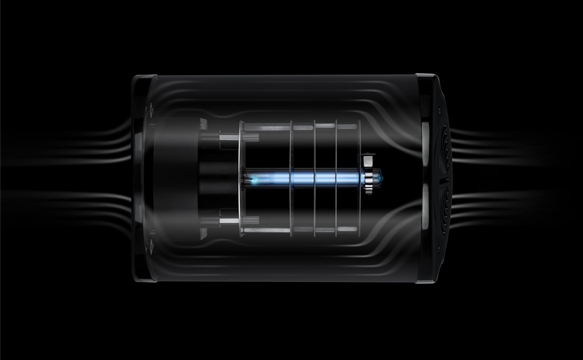
Continuous air treatment technologies can help reduce airborne microorganisms and treat airborne contaminants and odour sources before they spread throughout the environment.
By treating the air continuously, these systems help maintain cleaner air between cleaning cycles, reducing odour build-up even during warmer periods.
Further reading
• Why washroom odours become worse in warm weather
• Why commercial bin stores become a major odour problem in summer
• Reassessing air quality solutions: why ventilation isn't always enough
• Washroom industry page
Learn more about the causes of odours and how to manage them in commercial environments in our guide to commercial odour control.