Why washroom odours become worse in warm weather
Many facilities notice that washroom odours become more noticeable during warmer months.
Even when cleaning routines remain unchanged, unpleasant smells can appear more quickly and persist for longer periods.
This seasonal increase in odour is often noticed even in well-managed washrooms with established cleaning routines. The reason is largely biological.
Warm temperatures encourage bacterial growth. As bacteria break down organic residues such as urine or waste, they release gases that create the familiar washroom odour.
Humidity can also increase microbial activity, allowing odours to develop more rapidly.
This explains why washroom odours often appear worse in summer, even when cleaning standards remain unchanged.
The limits of ventilation and fragrance
Ventilation systems help remove stale air but cannot eliminate the microorganisms responsible for odours.
Similarly, fragrance dispensers may mask unpleasant smells temporarily, but they do not address the underlying cause.
In many cases, mixing fragrance with existing odours can create an even more noticeable and unpleasant atmosphere.
Treating the air, not just the smell
Managing washroom odours effectively requires addressing the bacteria and compounds present in the air.
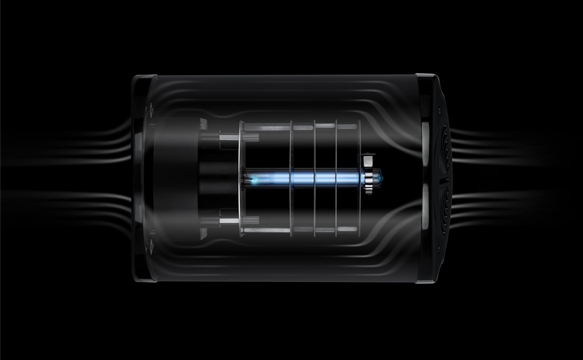
Continuous air treatment technologies can help reduce airborne microorganisms and improve overall air quality, helping maintain fresher air throughout the day.
For busy facilities such as offices, retail venues and transport hubs, this approach can significantly improve user experience and reduce complaints.
Further reading
• Why ventilation alone doesn’t solve washroom odours and hygiene issues
• The problem with fragrance units in commercial washrooms
• How to manage commercial washroom odours
Learn more about the causes of odours and how to manage them in commercial environments in our guide to commercial odour control.