Infection Control in Residential Care Homes
Infection control is one of the most closely scrutinised areas of care home management, and for good reason. Residents are often more vulnerable to illness, and shared communal spaces mean that infections can spread quickly once introduced. Air hygiene plays an important part in the wider infection control picture alongside cleaning, hand hygiene and clinical procedures.
Why airborne spread matters in care settings
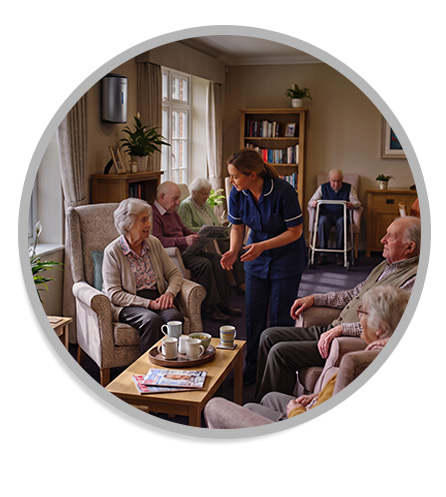
Airborne microorganisms create offensive odours, spread infections and compromise hygiene, and the risk of illness passing between individuals in any shared residential space is always present. Communal lounges, dining areas and corridors bring residents and staff into shared air throughout the day, which is why air hygiene sits alongside surface cleaning and hand hygiene as part of a complete approach, rather than being addressed by cleaning schedules alone. Where AIRsteril fits
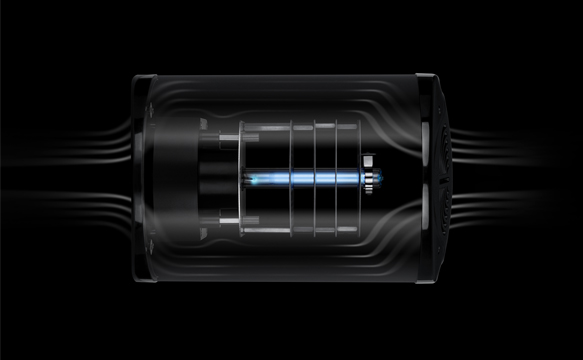
AIRsteril units combine germicidal UV with other technologies to provide continuous air disinfection, destroying microorganisms while breaking down odour-causing compounds and VOCs*. Operating around the clock rather than only during scheduled cleaning, AIRsteril continuously reduces airborne bacteria and viruses throughout the home, working alongside existing infection control procedures rather than replacing them.
This has been independently tested against a wide range of bacteria and viruses, including MRSA, Norovirus, Coronavirus surrogate, Listeria and Clostridium difficile, giving homes a way to support their existing infection control measures with continuous, evidenced protection between cleans.
A practical addition to existing procedures
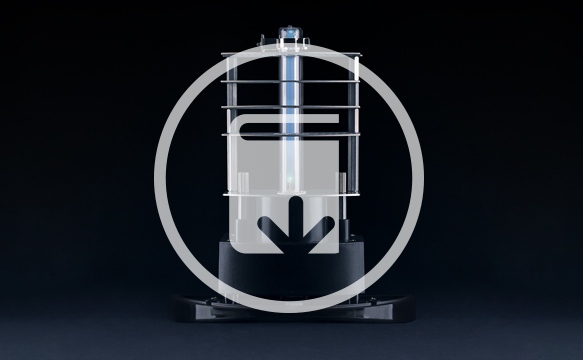
Units are available across bedrooms, communal areas and higher-risk spaces such as sluice rooms, each sized to the room they're covering. We offer a completely free 30-day trial so homes can assess the results in their own environment before making any decision. Get in touch to find out more.
For more on the odour side of this picture, see why do care homes smell?. Air hygiene also supports the wider compliance picture, covered in more detail in how air hygiene supports CQC inspection readiness.
*VOCs (volatile organic compounds) are gases released from everyday sources such as paints, furnishings, cleaning products and plastics, and include substances such as formaldehyde. In independent testing, a test chamber was continuously dosed with elevated levels of formaldehyde, and AIRsteril achieved an 87.2% reduction within 24 hours, with resulting VOC concentrations remaining below recognised indoor air safety thresholds throughout, rather than leaving more harmful breakdown byproducts behind.